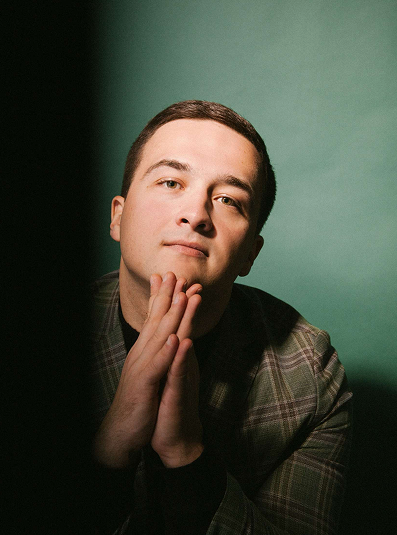
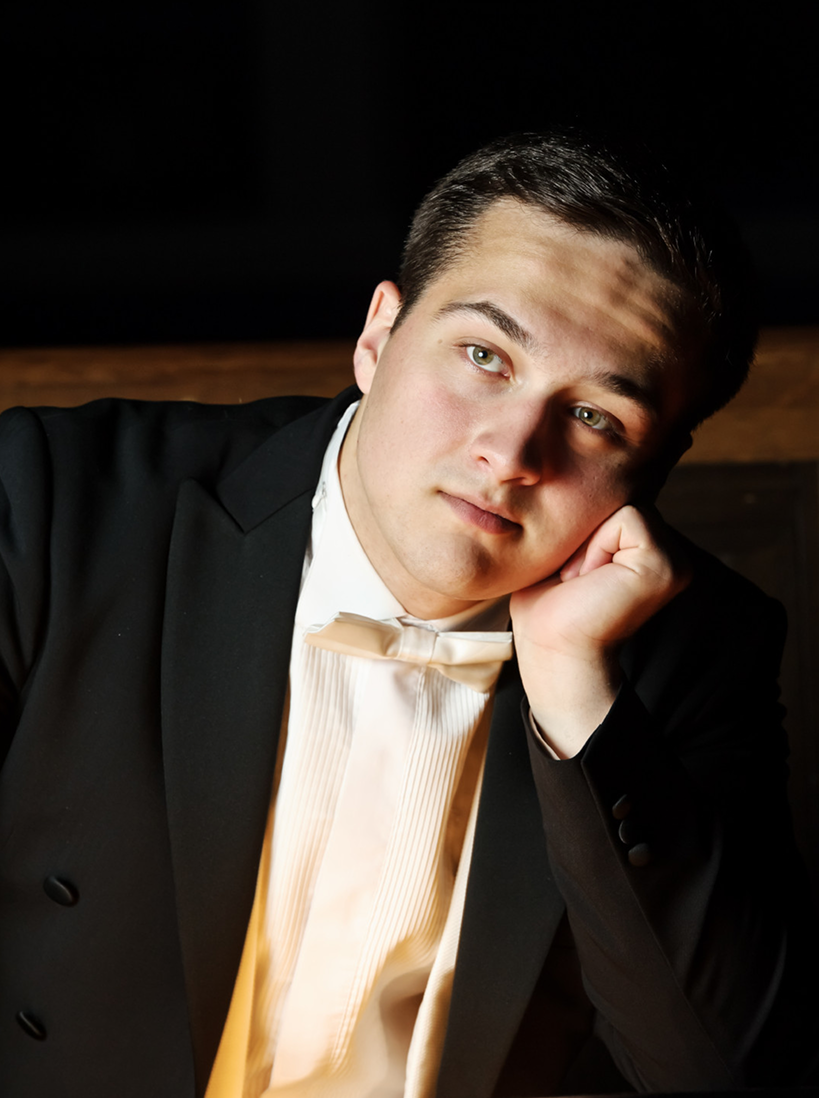
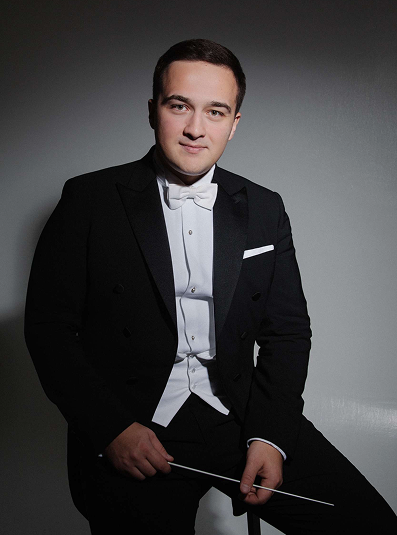
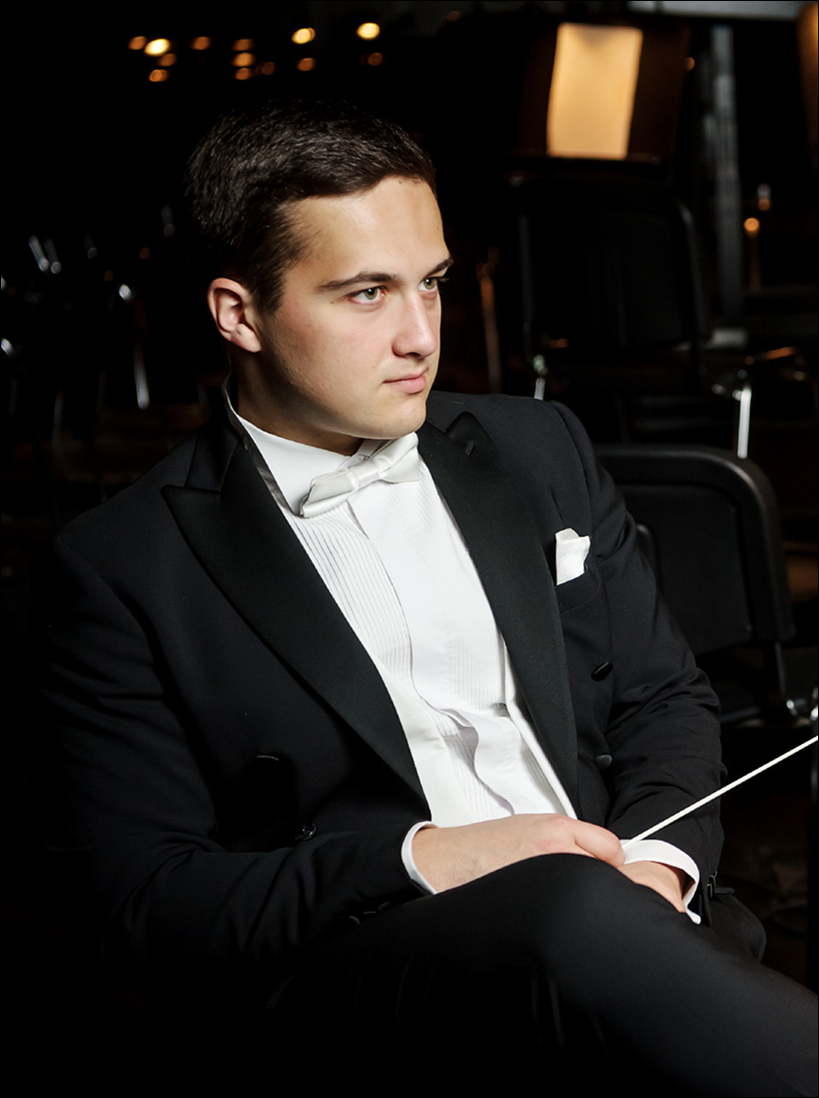
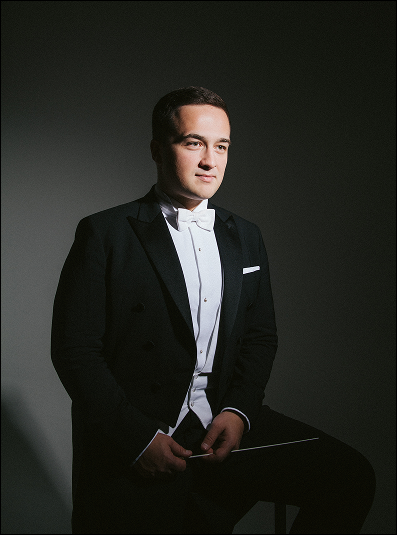
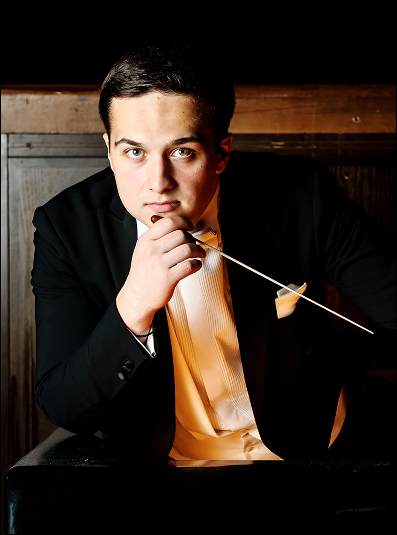
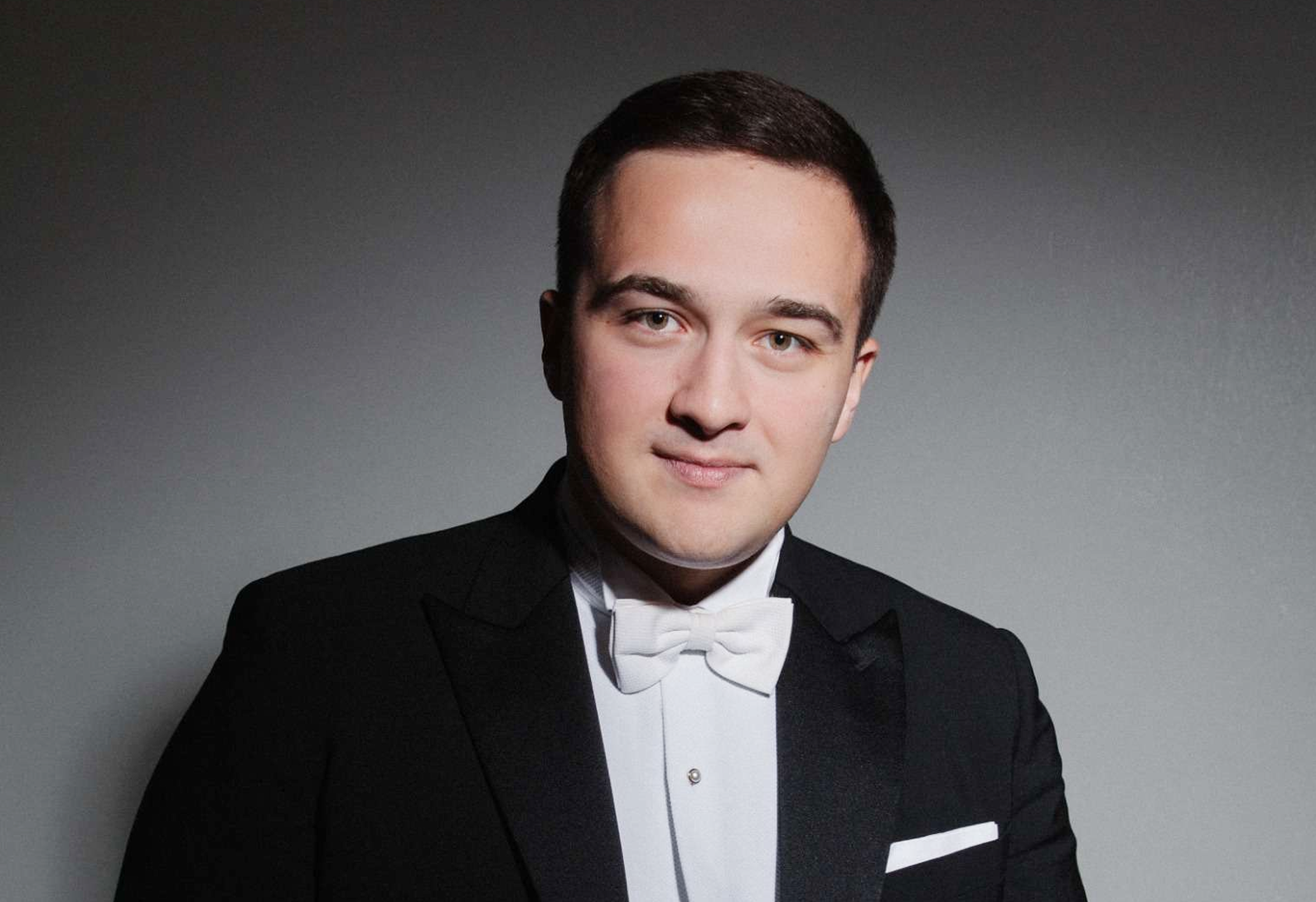
Timur
Zangiev
Conductor

Bio

Represented by
Naomi Imai
Artists Administration
naomi@mkimpresari.com
Thomas Walton
Concert representation
/ IMG​​ Artists
twalton@imgartists.com
+44 (0) 20 7957 5808
Representation
Worldwide Exclusive
“Zangiev’s conducting represents a harmonious blend of ironclad technique, stylistic rigor, exquisite interpretative sensitivity, and tonal flexibility — qualities greatly appreciated by audiences worldwide.”

The 2025/26 season will see Timur Zangiev return to Wiener Staatsoper with Eugene Onegin and Iolanta; and make his debuts at The Metropolitan Opera and Palau de les Arts Reina Sofía with Eugene Onegin; at Staatsoper Hamburg with Pique Dame, and at Staatsoper Berlin with Khovanshchina. His concert engagements this season include appearances with Orchestre de l’Opéra de Lyon and Philharmonie Baden-Baden.

Future seasons will include debuts at Opéra national de Paris, Opéra de Lyon, and Grand Théâtre de Genève, as well as returns to Opernhaus Zürich, Bayerische Staatsoper, Semperoper Dresden, and Wiener Staatsoper.

In recent seasons, Zangiev made highly acclaimed debuts at Salzburger Festspiele with The Gambler; at Teatro alla Scala with Eugene Onegin, Pique Dame, and Romeo and Juliet by Prokofiev; at Bayerische Staatsoper with Eugene Onegin; at Wiener Staatsoper with Pique Dame; at Semperoper Dresden with Verdi’s Otello; at Opernhaus Zürich with Roméo et Juliette; and at La Monnaie / De Munt with The Tale of Tsar Saltan, and Sadko at The Bolshoi Theatre, Moscow.

Equally at home in the symphonic repertoire, Timur Zangiev collaborates with Filarmonica della Scala, Orchestra del Maggio Musicale Fiorentino, Stuttgarter Philharmoniker, The Royal Danish Orchestra, Orchestra and Chorus of Teatro Regio di Torino, Bayerisches Staatsorchester, The Tchaikovsky Symphony Orchestra, The Moscow State Symphony Orchestra, The Russian National Orchestra, and The Saint Petersburg Philharmonic Orchestra.
Download  Bio

Photos

Photo by
Timur Zangiev
Download
Photo by
Helene Marti
Download
Photo by
Timur Zangiev
Download
Photo by
Timur Zangiev
Download
Photo by
Timur Zangiev
Download
Photo by
Timur Zangiev
Download
Photo by
Timur Zangiev
Download
Photo by
Helene Marti
Download
Photo by
Timur Zangiev
Download
Photo by
Timur Zangiev
Download
Photo by
Timur Zangiev
Download
Photo by
Timur Zangiev
Download

News

News

Press

Staatsoper Hamburg - The Queen of Spades
Kulturfeder.de
Musically, the evening unfolds with overwhelming intensity under the direction of Timur Zangiev. Around 60 musicians in the pit create a sound that doesn't rely on mere volume, but on constant inner movement. Tchaikovsky's score emerges here as a nervously vibrating fabric of longing, threat, and ironic detachment. Zangiev sharply delineates the contrasts: the seemingly courtly elegance of the social scenes suddenly plunges into sonic abysses, and lyrical lines are interrupted by eruptive outbursts. Particularly impressive is how the orchestra shapes psychological states – the woodwind colours sound like fleeting thoughts, while the low strings make Hermann's growing obsession almost physically palpable
Palau de les Arts Reina Sofía - Eugene Onegin
Mundoclasico.com
Zangiev's approach demonstrates a profound understanding of the Russian interpretive tradition […] that blend of control and freshness that has always been attributed to the late maestro Rozhdestvensky is also found in Zangiev […] rigour and spontaneity arise largely from the flow of the Pushkinian libretto, which Tchaikovsky breathes, internalises and finally releases into music. With a full understanding of this aspect, the orchestra pit was the foundation of the performance. For Zangiev, with an Orquestra de la Comunitat Valenciana in top form, even the orchestral colours have a prosodic tone […] the eloquence soared into the dances: the provincial-tinged waltz and the aristocratic polonaise that illustrate the contrast between Tatyana's worlds of origin and destination
Salzburg Festival -  The Gambler
Stuttgarter Zeitung
The 30-year-old Russian Timur Zangiev makes his debut with the Vienna Philharmonic at the Salzburg Festival, and it is a magnificent one. Sergei Prokofiev's first opera “The Gambler” has its premiere here on Monday evening, and Zangiev bores into the piece until he finds the cornerstones between which it is stretched: here garish, loud tones, an unstoppable motoric and a cool continuous parlando; there moments of standstill and a highly emotional, intimate chamber play. The conductor fills the space in between with the finest nuances and dynamic gradations as well as delicate tonal shadings
Salzburg Festival - The Gambler
Merkur.de
The conductor of the Vienna Philharmonic is no self-actualizer, no young genius with poses for the gallery, but a craftsman. He keeps the motor skills of the score running, its sucking circles, without overheating the music. Neon colors, bizarreness, bitingly nasty details, the simultaneity of completely different musical aggregate states - you can hear all of that. But Zangiev has understood: Prokofiev needs no coaching, no artificial exaggeration, but a pilot who organizes, weighs up and fits it all in. This conducting is captivating because it is so adept and takes the often stubborn Philharmoniker on a journey through music that is rarely performed. Timur Zangiev is a name to remember
Teatro alla Scala - Symphony Concert Tchaikovsky & Shostakovich
Affari Italiani
The 29-year-old Russian conductor in Tchaikovsky and Shostakovich confirms the enormous qualities that were already glimpsed last year: a star is born
Teatro alla Scala - Pique Dame
Connessi all'Opera
Conducting without a baton, with clean, sweeping gestures, energetic and lively when needed, Zangiev gives a refined and clear reading of the elaborate score, cohesive and lucidly polished, suffused and at the same time vibrant, obtaining from the La Scala ensemble a polished, pastel-coloured sound, varied when necessary with sparkling and more livid tones (in moments such as, for example, the storm in Act I or Lisa's suicide). Zangiev's conducting is a happy coexistence of ironclad technique, stylistic rigour, exquisite interpretative sensitivity and tonal flexibility, all of which is greatly appreciated by the audience